For risk and compliance leaders, incident management has never been optional. What DORA changes is not ownership, but expectation. Supervisors are no longer interested in whether incidents are registered. They want evidence that organisations understand what drives incidents, respond consistently, and learn structurally.
That shift requires a different way of organising incident management.
*This article is based on the webinar How to Strengthen Your Incident Management for DORA and Beyond. Access the webinar recording here.
The Reality Behind Today’s Incident Landscape
Operational risk data across European banks shows a clear pattern. Cyber risk and data security remain the dominant incident drivers, followed by IT failures, outsourcing, conduct and legal risk, and fraud. These are not isolated categories. They are symptoms of increasingly complex operating models where technology, third parties, and regulatory pressure intersect.
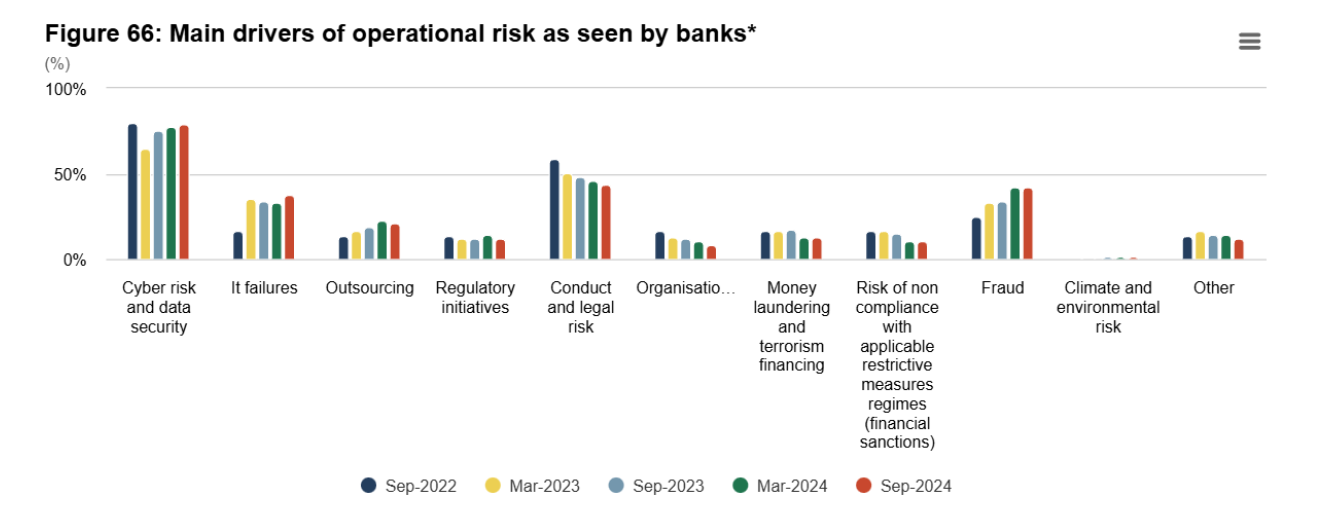
For risk leaders, this matters because it reinforces a key point from the webinar: incident management cannot be treated as a reactive process that starts after something goes wrong. It must be designed with the dominant risk drivers in mind and embedded into daily operations.
Incident Management Starts With a Clear, End-to-End Process
Effective incident management is not a single action. It is a structured lifecycle that starts the moment something deviates from normal operations and only ends when learninghas been embedded.
In practice, this lifecycle consists of eight connected steps:
- Incident logging
- Categorisation
- Prioritization
- Routing and assignment
- Creating and managing improvement actions
- SLA management and escalation
- Resolution
- Closure
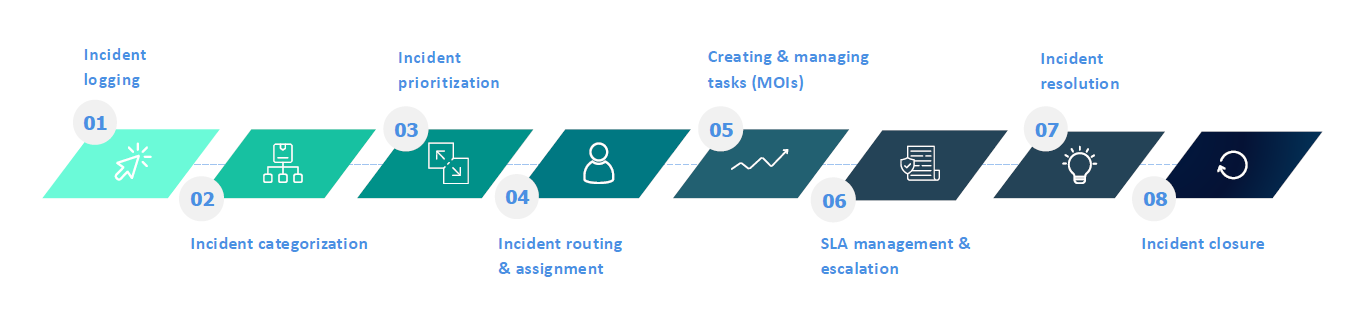
- Each step serves a governance purpose. Skipping or weakening any of them creates blind spots that typically surface during audits, incidents, or regulatory reviews.
A deliberate design choice highlighted in the webinar is to keep reporting thresholds low. Anyone should be able to report an incident easily, often via mobile devices. This can lead to multiple notifications for a single event, but consolidation belongs in the assessment phase. Early visibility is always preferable to filtered silence.
Access the webinar recording and presentation .
Root-Cause Analysis Is Where Control Becomes Visible
An incident on its own explains very little. The real value lies in understanding why it happened.
This starts with basic risk management questions:
- Was the risk already identified?
- Did a control fail, or was it not in place?
- Was the cause human, technical, third-party related, or organisational?
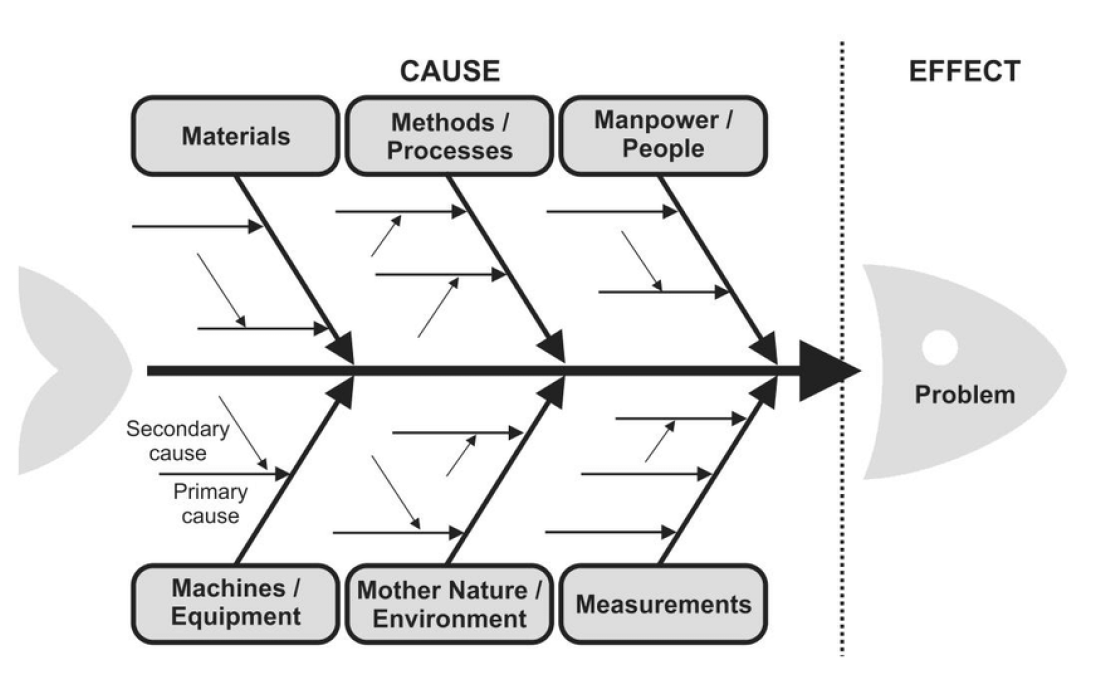
Structured root-cause methodologies such as fishbone analysis, bow-tie analysis, fault-tree analysis, or the five-whys technique help move beyond symptoms. They force organisations to distinguish between primary and secondary causes and to avoid superficial conclusions.
Equally important is learning. Linking incidents to other reported events and building a library of lessons allows patterns to emerge. Over time, this transforms incident management from reactive handling into proactive risk insight.
Why DORA Places Incident Management at the Centre
DORA does not primarily aim to increase reporting obligations. Its core objective is to protect the continuity of critical financial services.
Supervisors are concerned about systemic risk. Thousands of financial institutions rely on interconnected ICT systems, cloud providers, and third parties. A major disruption at one point in the ecosystem can quickly cascade across organisations.
This explains why DORA places explicit requirements on incident classification, escalation, and regulatory reporting. These requirements are not administrative in nature. They are designed to ensure institutions understand which incidents threaten critical services and respond accordingly.
What MN’s Experience for DORA Shows in Practice
The experience of MN, one of the largest pension asset managers in the Netherlands, illustrates how these principles are applied in practice.
As part of its DORA programme, MN treated incident management as a dedicated workstream. The starting point was not tooling, but a gap analysis between existing policies and processes and the new regulatory requirements. Based on this analysis, MN adjusted its incident policy and introduced new incident types required under DORA. Watch the recording how MN design their DORA program .
Only after this ground work did MN adapt its incident management tooling, introduce organisation-wide training and awareness through e-learning, and put reporting formats in place for regulatory reporting to the AFM.
This sequencing reflects a conscious leadership choice. Process clarity, roles, and accountability came before automation.
Low Threshold Reporting as a Leadership Choice
One of the important choices MN made was to allow every employee to report incidents easily.
From a risk leadership perspective, this is a trade-off. Lower thresholds lead to more reports and more work during assessment. At the same time, they reduce surprises and improve early detection. Consolidation and prioritisation take place later, under the responsibility of the second line.
This approach aligns closely with DORA’s intent and highlights the role of risk and compliance leaders in shaping reporting culture, not just control frameworks.
Incidents Rarely End Where They Start
Another lesson reinforced during the webinar is that incidents rarely remain confined to a single process or department.
At MN, incidents are assessed centrally by the second line, classified consistently, and communicated to internal stakeholders and clients based on severity. Medium and high incidents trigger board-level visibility and clear timelines.
This cross-functional view is essential. Without it, organizations fix local issues while systemic weaknesses remain untouched.
Crisis First, Documentation Second
MN’s experience with major ICT incidents also highlights an important reality.
In crisis situations, the priority is response and coordination. Restoring services and limiting impact come first. Documentation and regulatory reporting follow once stability has been restored.
For risk and compliance leaders, this nuance matters. DORA does not expect perfect form completion during a crisis. It expects timely judgement, clear ownership, and well-documented reasoning afterward. Systems should support this sequence, not work against it.
Incident Management as a Learning Discipline
What ultimately differentiates mature organisations is not how quickly incidents are closed, but how consistently lessons are embedded.
At MN, incidents are explicitly linked back to risks, controls, and improvement actions. Root-cause analysis is not treated as a formality, but as a way to challenge whether risks were underestimated or controls were ineffective.
This is where incident management becomes strategic. It feeds continuous improvement rather than periodic reporting.
.jpg)
A Question Risk and Compliance Leaders Should Be Asking
DORA may be the immediate driver, but it exposes a broader question.
Do incidents in your organization lead to structural learning, or do they disappear once they are closed?
Risk and compliance leaders are uniquely positioned to influence the answer. Not by owning the incident register, but by shaping how incidents are interpreted, escalated, andused to strengthen resilience over time.
That is the real shift DORA brings.
.png)
CERRIX vs Diligent: GRC software compared across features, European market fit and compliance
A side-by-side look at two GRC platforms, and which one fits the DORA, NIS2, and ISQM obligations European teams carry.
.png)
Conversational GRC: work with your risk data from the AI agent you already use
Query your controls, update tasks, and generate board-ready reports, all from Claude, Microsoft Copilot or another AI agent.
.jpg)
CERRIX vs ServiceNow: GRC software compared across features, pricing, and compliance
CERRIX vs ServiceNow: GRC Software compared across features, pricing, and compliance (2026)
.jpg)
AI in GRC: beyond the hype. What actually works at every level of adoption
Key takeaways from the CERRIX panel on AI in GRC, with practitioners from CERRIX, AuditAgent and 8weeks.co sharing what actually works.
.avif)
Top European GRC tools in 2026: An insider's comparison
This blog compares the top GRC platforms available to European organizations in 2026

What Does GRC Look Like in 2030?
By 2030, AI in GRC will automate evidence collection, control monitoring, and routine reporting across all three lines of defense, shifting risk managers from administrative work to strategic advisory roles

The Complete GRC Chain: Connecting Regulatory Change Management, Risk, and Controls in One Platform
The future of Governance, Risk & Compliance (GRC) lies in connecting regulatory change management directly to risks, controls, incidents, actions, and assurance activities in one integrated platform.

Embedding automation into your risk operating model: Where AI fits and how to make It work
This second part focuses on what makes that automated model intelligent. Where AI fits. What it means for risk professionals in practice.
From checkbox to continuous: How to embed automation into your risk operating model
What it means to truly embed automation into the risk operating model: what changes, what stays the same, and what it takes to make it work in practice.
.jpg)
Why CERRIX acquired Ruler, and what it means for the future of GRC
CERRIX acquires Ruler to connect regulatory change with risk management.
%20(1).png)
Why Data Quality Is the Foundation of AI and Automation in GRC
A strategic look at why structured data in a GRC tool is imperative for automation, AI enabled workflows, and real time risk insights.
.jpg)
Internal Control Framework Challenges: Why COSO and ISO 31000 Implementations Struggle in Practice
Why do internal control framework implementations (COSO, ISO 31000) struggle? Explore common challenges in process design, ownership, tooling, and governance
%20(3).jpg)
Control Assurance Explained: How Organizations Move from Control Testing to Continuous Monitoring
Discover how modern control assurance moves beyond periodic testing to continuous monitoring, with clear ownership, automation, and expert opinion.

Incident Management under DORA: What Risk and Compliance Leaders Need to Rethink
Incident Management under DORA: What Risk and Compliance Leaders Need to Rethink
.jpg)
How to Apply ISO 31000 Risk Treatment in Practice: Insights for Risk and Compliance Leaders
A practical recap of CERRIX ISO 31000 risk treatment webinar
%20(1).jpg)
How We Use CERRIX GRC to Manage Our ISMS: ISO 27001 in Practice
We use our own CERRIX GRC software to manage CERRIX’s ISMS, turning compliance into confidence and showing how ISO 27001 can become part of daily business practice.
.jpg)
Why the Three Lines of Defense Model Is Outdated? What Every Board Should Know About the Three Lines Model
Three Lines Model Explained: Why Boards Must Move Beyond 3LOD
.jpg)
What Is ISO 31000 and How Does It Work?
Discover what ISO 31000 is, how it works, and why it’s essential for risk management in 2025. Learn the principles, framework, and how tools like CERRIX help organizations turn ISO 31000 into practice.
.jpg)
How to Write an Incident Report That Stands Up to Audits
Learn how to write incident reports that are clear, evidence-backed, and audit-ready. Includes a template, best practices, and compliance alignment for risk professionals.
.jpg)
How to Implement ISO 31000: Real-Time Risk Decisions with AI‑Enabled Tools
Discover how to move beyond compliance and operationalize ISO 31000 using AI, real-time dashboards, and structured risk assessments. Learn from webinar insights and best practices tailored for financial services and regulated industries.
%20(1).jpg)
What’s Blocking Your ISMS Rollout? 7 Fixable Challenges for Financial Institutions
Discover the 7 biggest blockers in ISMS rollout for financial institutions—and how to solve them. Learn practical strategies to secure buy-in, define scope, streamline controls, and prepare for ISO 27001 certification.
.jpg)
Trends Driving ISMS Adoption in 2025: What Risk & Compliance Leaders Need to Know
Discover the top trends pushing organizations toward ISMS adoption in 2025—from regulatory changes and remote work to threat evolution and AI. Learn what to prioritize to stay ahead in risk and compliance.
%20(1).jpg)
What Is an ISMS? A Practical Guide for Risk & Compliance Leaders in 2025
An Information Security Management System (ISMS) is more than policy—it’s your organization’s shield against evolving threats, regulation, and reputation risk. Discover what ISMS means, how to implement it, and why it matters in 2025.
.jpg)
The Intelligent Future of GRC: How AI is Reshaping Governance, Risk & Compliance in 2025
Explore how AI is transforming GRC in 2025—from predictive insights and automation to ethical oversight. Learn what features matter, what risks to manage.
.jpg)
How Do You Implement an ISMS in Financial Services Without Slowing Down Innovation?
Implementing an ISMS in financial services? Explore a practical, risk-aligned roadmap tailored for banks, fintechs, and insurers to meet ISO 27001, GDPR, and DORA compliance—without compromising agility.

How Do You Build a Robust ISMS Framework Based on ISO 27001?
Learn how to build a robust ISMS framework aligned with ISO 27001. Discover the key components—people, policies, processes, and controls—to strengthen security and achieve compliance.
.jpg)
When to Conduct Risk Assessments: 6 Enterprise-Critical Moments
Learn when to conduct risk assessments—annual, quarterly, after incidents or change—and how CERRIX ensures continuous compliance.
.jpg)
How do you build a system of quality management that works under ISQM 1?
Learn how to build a system of quality management under ISQM 1. Move beyond compliance to an operational model that proves audit quality.

Top GRC Platforms Compared: Risk Assessment Tools for 2025
Discover the top GRC platforms for 2025 with a focus on risk assessment tools.

What Are Risk Scoring Methods for Financial Institutions? [2025 Guide]

From Risk Assessment to Risk Management: Moving Beyond Checklists in 2025
Understand the evolution from risk assessment to strategic risk management in 2025. Learn why leading organizations are embedding risk into decision-making—and how GRC platforms like CERRIX support this shift.
What is risk management? A strategic guide for leaders in 2025

How Audit Firms Embed ISQM into Daily Practice
In our second ISQM webinar, experts from RSM, Grant Thornton, and CERRIX shared practical insights on how audit firms can embed ISQM into the heart of their operations.
.jpg)
What is the maximum fine for GDPR violations?
Discover the maximum fine for GDPR violations: €20 million or 4% of global turnover. Learn the two-tier penalty system, notable examples, and how to prevent costly data protection breaches.

How do you conduct a GDPR compliance assessment?
Learn how to conduct a GDPR compliance assessment with our step-by-step guide covering data mapping, documentation requirements, and 6 common gaps organizations discover. Reduce risks and ensure compliance.
What are the main requirements of GDPR?
Discover the 7 essential GDPR requirements every organization must follow. Learn about data protection principles, individual rights, breach handling, and practical compliance strategies in this comprehensive guide.
%20(2).jpg)
How often should you review third party risks?
Discover how often to review third party risks with our tiered approach: quarterly for high-risk vendors, semi-annually for medium, and annually for low-risk partnerships.

What should be included in a vendor due diligence process?
Discover what a comprehensive vendor due diligence process should include: financial stability assessment, security controls, compliance verification, risk evaluation criteria, and ongoing monitoring frameworks.

How do you assess vendor risk?
Learn how to implement vendor risk assessment in 5 clear steps. Discover essential strategies to protect your organization from third-party threats and ensure regulatory compliance.

What are the main types of supplier risks?
Discover the 5 critical types of supplier risks that threaten your business continuity. Learn effective strategies to identify, assess, and mitigate these vulnerabilities before they impact your operations.

What is a compliance risk assessment?
Discover how to conduct an effective compliance risk assessment to identify regulatory risks, prevent violations, and transform compliance challenges into strategic business advantages.
How do you report compliance violations?
Learn how to report compliance violations effectively through proper channels while protecting your identity. Discover documentation requirements, whistleblower protections, and what happens after you submit a report.

How do you calculate risk probability and impact?
Learn how to calculate risk probability and impact using proven methods. Transform uncertainty into measurable risks for better decision-making and strategic resource allocation.

What is third party risk management?
Learn what third party risk management is, how it protects your organization from external threats, and the steps to implement an effective TPRM program to ensure compliance and security.

What are the benefits of risk management for businesses?
Discover how risk management benefits businesses by protecting financial health, improving decision-making, ensuring compliance, and creating competitive advantages that transform threats into opportunities.

What is a risk register and how do you create one?
Wondering what a risk register is? Learn how to create this essential tool to identify, assess, and manage organizational risks effectively and boost compliance.

How often do ISO certifications need to be renewed?
Wondering about ISO certification renewal? Understand the three-year cycle, annual surveillance audits, and preparation strategies to maintain compliance seamlessly.

What documents are required for ISO 27001 implementation?
Discover the mandatory and recommended documents required for successful ISO 27001 implementation. Learn how to organize, create and maintain effective ISMS documentation that satisfies auditors and enhances security.

Do I need a consultant for ISO certification?
Wondering if you need a consultant for ISO certification? Discover key factors to make the right decision for your organization based on expertise, resources, and certification complexity.

What industries benefit most from ISO certification?
Discover which industries gain the most value from ISO certification. Financial services, technology, healthcare, and manufacturing organizations see superior ROI while enhancing compliance and competitive advantage.

Can a company lose its ISO certification?
Can a company lose its ISO certification? Discover the 8 common reasons, consequences, and prevention strategies to protect your business reputation and investment.

How long does it take to get ISO 9001 certified?
Discover how long ISO 9001 certification takes, from 4-12 months depending on your organization's size and complexity. Learn the key phases, challenges, and ways to accelerate your quality management journey.

What is ISO 27001 and why is it important for businesses?
Discover how ISO 27001 certification protects your business data, builds customer trust, and ensures regulatory compliance in today's high-risk digital landscape. A complete implementation guide.
From Spreadsheets to GRC Software: Why Pension Funds Need a Modern Approach to Risk Management
What to know about GRC software for nis2
Explore how GRC software helps businesses comply with the NIS2 Directive, enhancing cybersecurity and risk management.
Can automation reduce compliance costs?
Explore how automation can reduce compliance costs, enhancing efficiency and ensuring regulatory adherence.
What industries benefit from compliance automation?
Discover which 6 industries benefit most from compliance automation and how it transforms regulatory burdens into strategic advantages through risk reduction and operational efficiency.
How automation streamlines compliance processes
Discover how compliance process automation reduces costs by 40-60% while minimizing errors and risks. Transform manual workflows into strategic advantages for your organization.
Is cybersecurity compliance automation secure?
Discover if cybersecurity compliance automation strengthens or risks your security posture. Learn implementation best practices that enhance protection while simplifying regulatory management.
Does automation reduce compliance risks?
Explore how automation impacts compliance risks, its benefits, limitations, and integration strategies.
Key sectors affected by NIS2 compliance
Explore the impact of NIS2 compliance on key sectors like energy and healthcare, enhancing cybersecurity and data protection.

Are automated compliance tools reliable?
Exploring the reliability of automated compliance tools and their role in cybersecurity.
%20(1)%20(2).jpg)
DORA compliance checklist for beginners
An essential guide for beginners to understand and implement DORA compliance effectively.

Key benefits of adhering to DORA compliance
Explore the key benefits of DORA compliance, enhancing security, efficiency, and regulatory adherence.

NIS2 compliance: top strategies for success
Explore effective strategies for NIS2 compliance to enhance cybersecurity and regulatory adherence.

EU AI Act vs. GDPR: what's the difference?
Explore the key differences and overlaps between the EU AI Act and GDPR, focusing on regulation, impact, and compliance.

Can GRC tools predict compliance risks?
Exploring if GRC tools can predict compliance risks and their role in risk management.

Can a GRC tool adapt to regulatory changes?
Explore if GRC tools can adapt to regulatory changes, covering compliance management and risk assessment.
How does AI governance impact compliance?
Explore the impact of AI governance on compliance, focusing on regulation, ethics, and risk management.
.jpg)
How to prepare for the EU AI Act implementation?
Learn how to prepare for the EU AI Act implementation with practical steps for compliance.

Is your business ready for the EU AI Act?
Explore readiness for the EU AI Act with insights on compliance, challenges, and strategic planning for businesses.
.png)
How does DORA compliance impact financial sectors?
Discover how DORA compliance strengthens financial sectors, enhancing risk management, digital resilience, and regulatory standards.
.jpg)
What is DORA compliance and why does it matter?
Explore DORA compliance, its significance in financial services, and strategies for effective implementation.
DORA compliance vs other regulatory standards
Explore the differences between DORA compliance and other regulatory standards, focusing on financial regulations and cybersecurity.

Can automation improve DORA compliance efforts?
Explore how automation can enhance DORA compliance efforts by streamlining processes and ensuring ongoing monitoring.

How to integrate GRC with existing systems?
Integrating GRC with existing systems enhances compliance, risk management, and efficiency.
Can settlement discipline improve market stability?
Exploring how settlement discipline can enhance market stability, focusing on its benefits and challenges.

Why real-time analytics in GRC are vital
Real-time analytics in GRC is crucial for proactive risk management and continuous compliance monitoring.

Top 10 Features Every GRC Tool Should Have in 2025
Explore essential GRC tool features like integration, risk management, compliance, governance, and customization.

How to prepare your business for CSDR compliance?
Guide to preparing your business for CSDR compliance, covering key strategies, challenges, and technology solutions.

Embedding ISQM 1 into the DNA of Your Audit Firm: A Risk-Based Approach to Quality Management
Discover how to implement ISQM 1 with a risk-based approach. Learn how audit firms can embed quality management into daily operations and governance.
%20(1).avif)
CERRIX User Conference 2025
On March 12, 2025, industry leaders, assurance experts, and CERRIX customers came together for the CERRIX User Conference 2025—a day of knowledge-sharing, insightful discussions, and collaboration on the future of risk management, compliance, and AI-driven GRC solutions.

From Spreadsheets to GRC Software: Why Pension Funds Need a Modern Approach to Risk Management

CERRIX and BR1GHT Strengthen Long-term Partnership to Enhance Governance, Risk, Compliance and Audit Solutions

Implementing DORA: From Compliance to Long-Term Resilience
